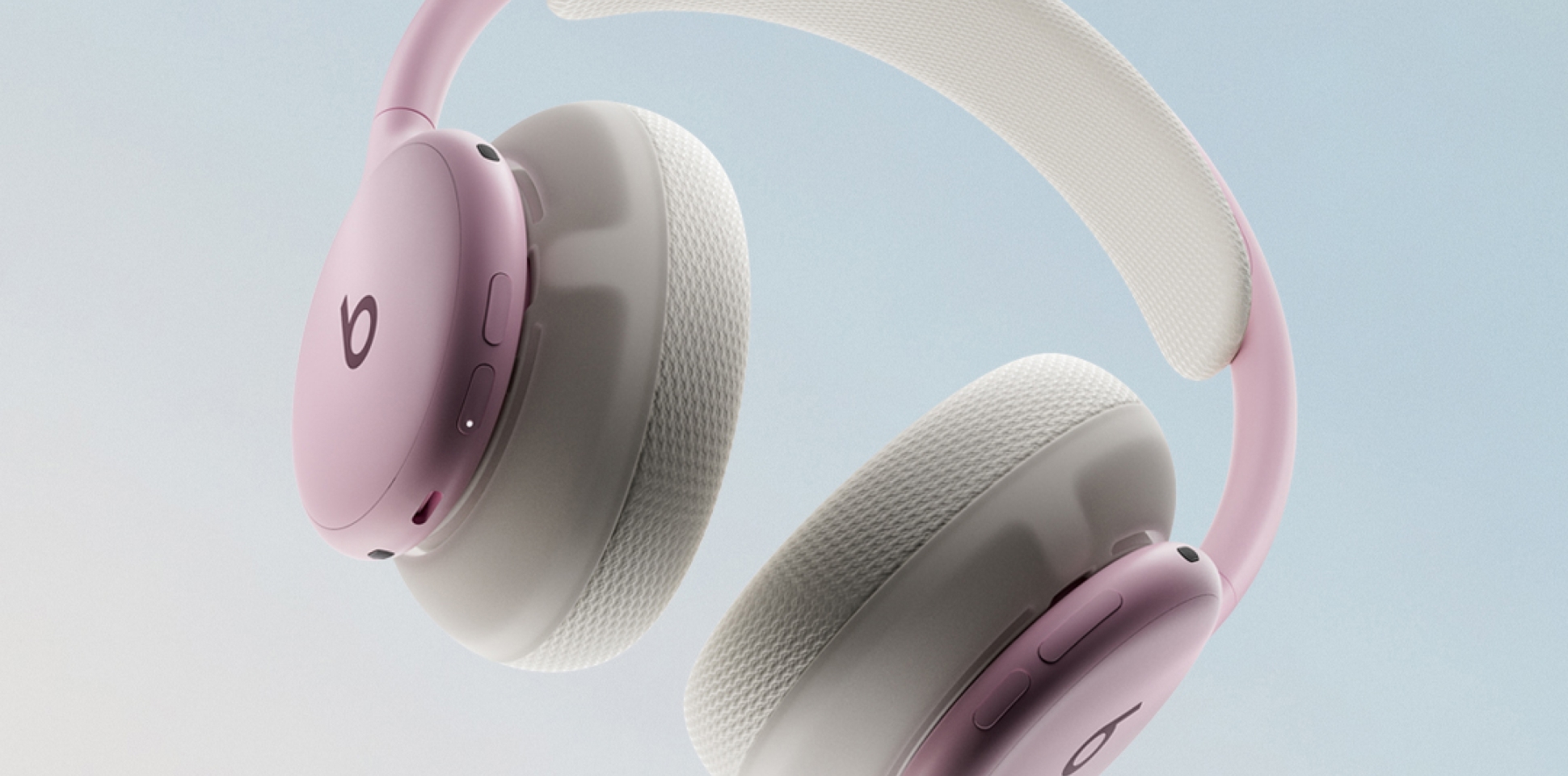
Headphone comfort comes down to four factors, each working together.
A headphone is comfortable when its weight settles evenly, when contact is dispersed across more of your head, when the cushions can fit over your ears without turning into an oven, and when the material touching your skin is designed to stay feeling soft and cushy.
Those four factors hold each other up. When all four hold, the headphone almost disappears on your head, letting you forget you’re even wearing it. And it stays that way through the second hour and the sixth. All four facets are easy to check once you know what to look for.
Set the fit.
On a headphone, ergonomic means it’s shaped to fit your head, rather than expecting your head to adapt to it.
Over a long listening session, that comes down to three checks you can complete by hand:
- Whether the earcups rotate
- Whether the headband follows the curve of your crown
- Whether the cushion surrounds your ear
To adjust headphones for a better fit with less pressure, set the headband height first so that the cushions circle your ears without resting on them, then rotate each earcup until it sits flat against the side of your head. Those two moves spread the contact evenly all the way around.
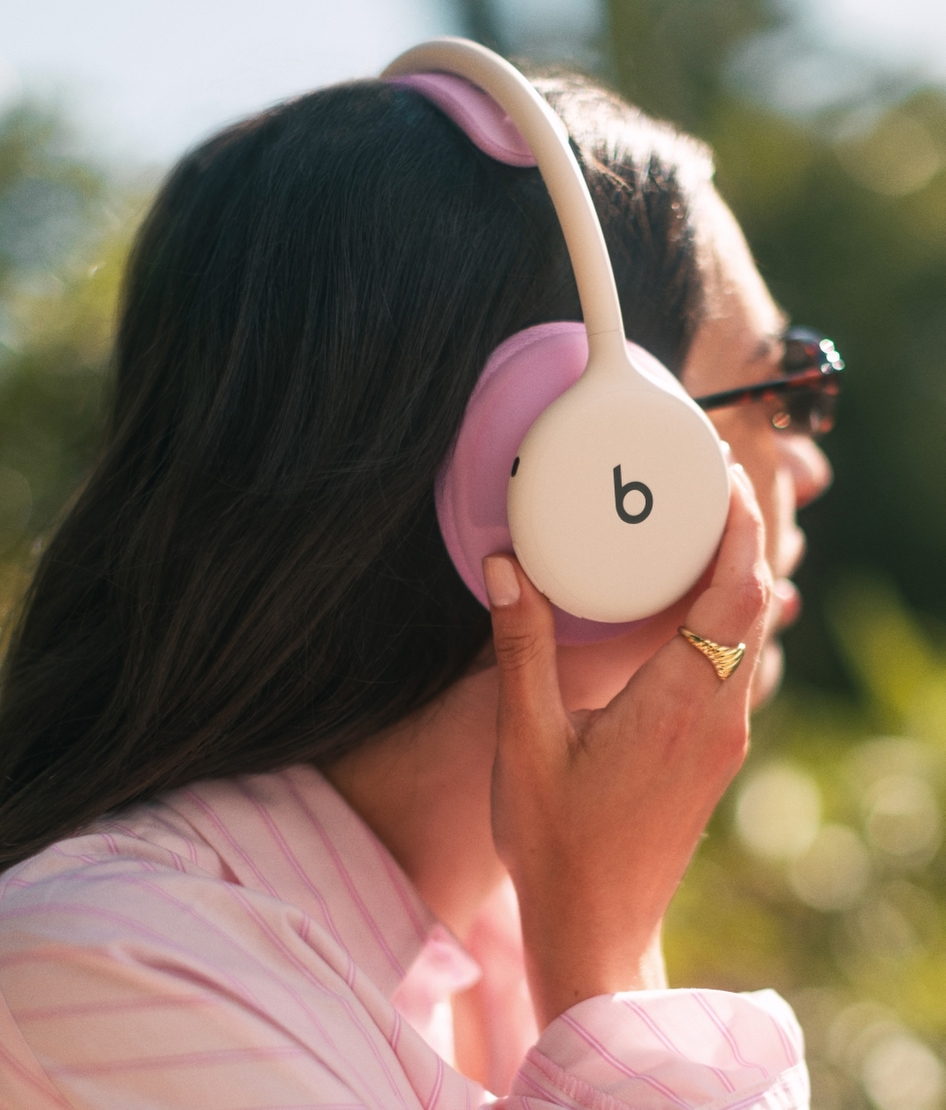
Headband height decides where the earcups land. You want the cushion ring to surround the ear and rest on the bone around it. That’s the spot where the acoustic seal holds with the least effort. Look for sliders that move in small steps and stay where you set them. Additionally, the side of your head isn’t flat, so look for earcups that can turn on their own. An earcup that’s free to rotate can sit flat, allowing the contact to spread all the way around the ring.
Beats 360 uses telescoping stainless steel arms and independent earcup rotation to give a more personalized, adjustable fit.
Give a new pair a few sessions to settle in. Foam can better form to the shape of your head over the first few wears.
Know your cushion materials.
A lot of people ask how ear cushion materials affect headphone comfort. Three things do the work here. The foam informs how widely the contact spreads, the cover decides how much heat stays against your skin, and the shape determines how well the cushion seals around your ears for great sound. Every cushion trades between those three, and how successfully the design balances those factors can tell you a lot about how a pair of headphones will feel after multiple hours.
Start with the cushions. Firm foam holds a tight seal across a narrow ring. Soft foam spreads the contact wider but trades a little acoustic seal for that spread. Memory foam works nicely between those two qualities, molding to your head in the first minute and then keeping that shape. The memory foam in Beats 360 ear cushions is also acoustically engineered, so that sound delivery was considered alongside long-term comfort.
Then comes the cushion cover, which is what actually makes contact with your skin. Smooth covers like coated fabrics and protein leather seal well and retain warmth. Fabric covers like knit or mesh allow air to move more, carrying heat and moisture away from your skin over a long session.
For cushions with knit or mesh covers, look at how the material is constructed as well as what it’s called. A knit cover gets its strength from the pattern and from the threads comprising each strand. Beats 360's Performance Knit cushions use a diamond-knit pattern, with each strand composed of 36 strong micro-threads for durability.
For Beats 360, both Performance Knit and UltraPlush cushions are built with the same acoustically engineered memory foam and shaped to fit comfortably over your ears, forming an optimal seal for incredible sound.
Interchangeable cushions can keep your headphone feeling fresh and new for years to come.
Check where the weight sits.
Lightweight materials affect comfort by lowering the total mass your head has to carry. Polymer housings and thinner metal cores reduce weight from the frame and the headband. How much comfort that buys you depends on where the remaining weight ends up sitting.
So look past the number on the box, as the total mass can be misleading. What you want is a headband that touches a wider stretch across the top of your head, with padding placed where the weight actually bears, all to disperse the weight optimally. That balanced approach can actually make a heavier pair feel lighter than a comparably lighter one, and vice versa.
Headphone weight can also influence sound quality because it can affect the acoustic seal as well as stability during movement. A cushion sitting evenly against your head holds the sound in, and a headphone that stays put keeps sounding great as you move around.
Beats 360's slim, lightweight headband has been designed for exceptional balance, weight dispersion, comfort and performance. Its headband cushion helps disperse weight and optimize balance for lasting comfort. The design of the entire headphone has also been balanced to allow the earcups to carry more weight, thereby alleviating pressure on the top of your head. Our on-ear headphone, Beats Solo 4, is an ultralight design, smaller and lighter than both Beats 360 and Beats Studio Pro.
Match the cushion to the session.
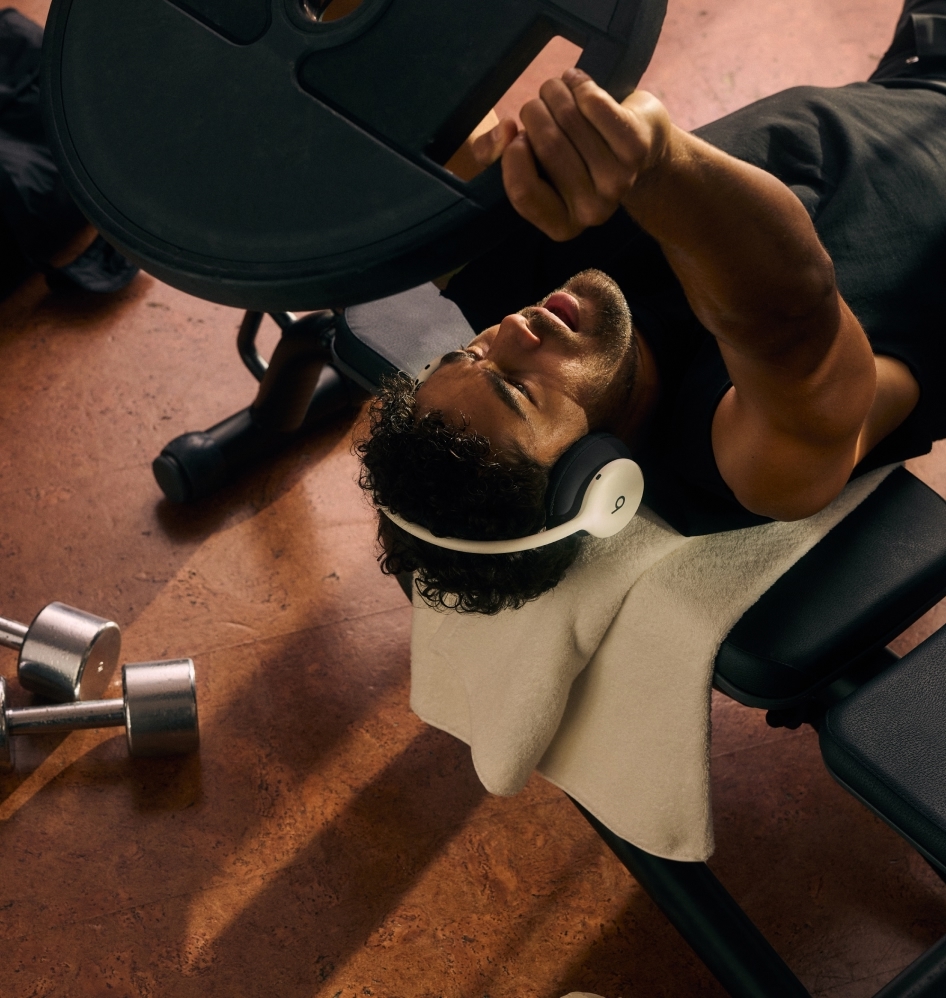
The right cushion depends on what you’re doing and how long you’re doing it. Sweating and moving calls for a cover that breathes. Sitting still for hours might call for a smoother material.
Beats 360's Performance Knit cushions have a breathable, airy feel ideal for workouts. An IPX4 rating signifies protection against water splashing from any direction, which covers sweat and rain. Beats 360 is rated IPX4 for sweat and water resistance.1
For long stretches at a desk or on a plane, look for softness over airflow. You might barely move in those settings, so the acoustic seal will hold on its own. Beats 360's UltraPlush cushions have a seamlessly smooth finish for soft, extended comfort.
Using headphones while traveling demands them to handle several jobs. A stuffy airport, eight hours on a plane, a hotel gym the next morning, and a good deal of time hanging around your neck in between. With Beats 360, an extra cushion set can help keep you covered through all of it. It also has a fold-flat design for around-the-neck comfort and convenience, with a woven ripstop fabric case included.
Count the hours.
What makes headphones comfortable to wear for long periods comes down to several factors holding steady over time. The contact area of the cushions, meaning the part that actually touches your head, should be spread evenly. The cover keeps moving heat away from your skin. The weight stays spread across your crown.
In addition to how the headband sits on your head, your ears also have a say in what’s comfortable. The most comfortable headphones for long use have earcups that surround the ears and use a cover that helps move air. They also spread their weight across as much of your crown and ears as the design allows. All three are factors you can check.
Swap the cushions.
Not many headphones have interchangeable cushion options. Beats 360 allows personalized customization, with multiple color and material options across both the earcups and the headband cushions.
Beats 360's ear and headband cushions are both fully detachable. Ear cushions rotate counterclockwise to detach and clockwise to attach. The headband cushion pulls down and clicks back into place. No tools, and a swap takes seconds.
Performance Knit Cushion Kits come in six colors, with each diamond-knit strand composed of 36 strong micro-threads for extra durability. UltraPlush Cushion Kits come in two colors and have a seamlessly smooth finish that’s soft to the touch for extended comfort. Extra Beats 360 Cushion Kits are sold separately, so you can always be ready with a fresh set if you like.
The most comfortable headphones for all-day wear are the ones designed for it from the start. Beats 360 is designed for lasting comfort and stability even while running, with acoustically engineered memory foam ear cushions shaped to create an optimal seal, plus adjustable sliders and ergonomic earcup rotation for a more personalized fit.
What else impacts comfort?
Additional factors can affect individual comfort and can vary from person to person, like wearing glasses or earrings, for example. Using headphones while wearing a hat or other head covering could also affect comfort.
Individuals have varying comfort thresholds around the face and head, and head shape can influence how a pair of headphones fits, creating differences in specific contact and pressure points from person to person. Softer cushions can better conform to items on the head and help disperse or even reduce weight.
For listening sessions while wearing glasses or other items on your head, face or ears, choose a headphone with soft cushions and try setting the headband one notch looser than what might otherwise feel right at first.
Frequently Asked Questions
What's the difference between on-ear and over-ear comfort levels?
The choice between over-ear and on-ear headphones really comes down to a matter of preference. Both can be exceptionally comfortable, and listeners can enjoy both experiences. The comfort of each style isn’t necessarily intrinsic to over-ear vs. on-ear models, but again depends more on the design, materiality and weight balance of specific headphones. What the cushions are made out of, what material covers the cushions, the shape and tension of the headband arc, the presence of extra cushioning on the headband, and overall weight dispersion across the headphone are all integral to comfort, regardless of on-ear or over-ear form factors.
While over-ear headphones have cushions that completely enclose the ears, on-ear headphones instead have smaller cushions that rest on the ears themselves. Beats 360 and Beats Studio Pro are over-ear headphones that are designed for both stellar acoustic delivery and lasting comfort, thanks to the use of premium materials, memory foam cushions, ergonomic headband shapes and extensive real-world testing. Because on-ear designs have comparably smaller cushions, those headphones are often smaller and therefore lighter too. Beats Solo 4 is an ultralight on-ear design that also delivers exceptional sound while delivering on long-term comfort, thanks to its comparably lesser weight and to a quality of its materials and construction on par with its over-ear counterparts.
Do headphones come in different sizes for better fit?
Most over-ear headphones come in one size and have a headband that can be adjusted as needed. Beats 360, Beats Studio Pro and Beats Solo 4 all have adjustable sliders that can be used to get an optimal, more personalized fit.
Are headphones lightweight for everyday use?
Most over-ear headphones are lightweight enough for everyday use. Whether they feel that way depends more on how the weight is spread than on the total weight itself.
Are on-ear headphones better if I wear glasses?
No. Over-ear is usually the better choice if you wear glasses. Over-ear cushions sit around the ear, so the arm of your frames passes through deeper, softer material with more room to give, as compared to on-ear designs.
1 Beats 360 is sweat and water resistant for non-water sports and exercise. Beats 360 was tested under controlled laboratory conditions, and has an rating of IPX4 under IEC standard 60529. Sweat and water resistance are not permanent conditions and resistance might decrease as a result of normal wear. Do not attempt to charge wet Beats 360 headphones; refer to https://support.apple.com/127223 for cleaning and drying instructions.